Moisture entering cable joints
An unsealed join can draw water into the coax and cause a fault beyond the visible connector.
Great Brak River's estuary and lush greenery mean a lot of moisture in the air. Over time that moisture finds its way into DSTV cables and connectors.
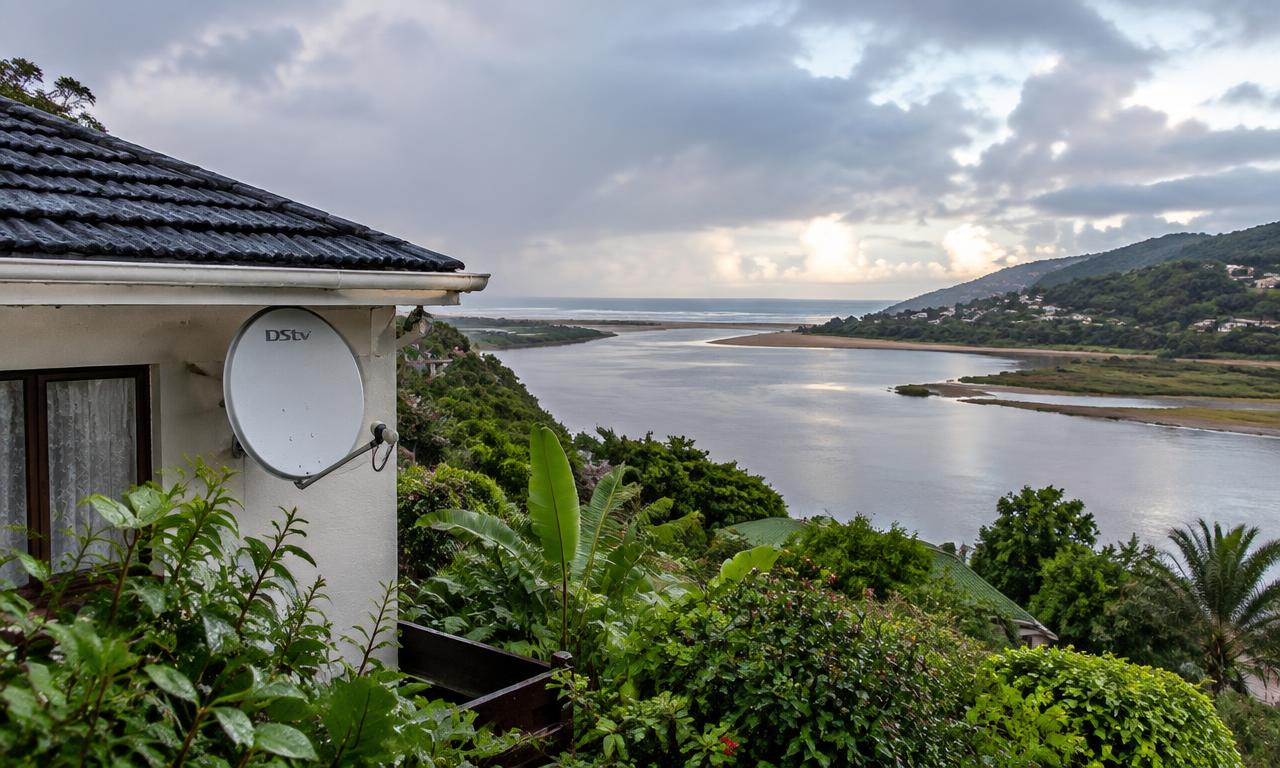
Damp air and rain seep into unsealed connectors and cracked cable. Water inside the cable weakens the signal gradually, causing pixelated pictures, missing channels and errors that come and go with the weather.
Local weather, buildings and surroundings can affect each installation differently. These are the issues worth checking first in Great Brak River.
An unsealed join can draw water into the coax and cause a fault beyond the visible connector.
Damp-related loss may appear only after rain, making the system seem normal during a dry inspection.
Sun and moisture together can crack an old cable jacket and reduce signal quality.
Local installation advice
Around Great Brak River, a reliable repair often means following the complete outdoor cable rather than changing the easiest visible fitting. We inspect joins, low points where water can collect, cracked cable jackets and the entry into the building before testing at the decoder.
New DSTV installations for homes, complexes and businesses
Dish alignment and repositioning after wind and storms
No-signal and error-code repairs
Extra View and multi-room setups
Decoder setup, cabling and connections
We cover Great Brak village, Southern Cross, Glentana, Tergniet, Reebok and surrounds.
Moisture inside old cables or connectors is a common cause. Replacing and sealing them usually solves it.
Yes, we cover Great Brak River and nearby towns.
We test its condition first. A sound, protected join may be repaired, but water-damaged cable should be replaced to prevent the fault returning.
Explore nearby service areas and their common local signal problems.